In cities with the highest dropout rates, 40 percent of freshmen will repeat the ninth grade, and of those students only 10 – 15 percent will make it to graduation day. These numbers make up what is referred to as the “freshman bulge†– given that name because more students are retained their freshman year than in any other grade. So, what causes the freshman bulge? The school culture changes drastically for a high school freshman. The workload gets harder, relationships intensify, schedules get crammed with part-time jobs, after school functions, homework, etc., and the thought of college moves closer to becoming a reality. Students need guidance during this vulnerable time in their life to reach academic, social and emotional success.


Establishing the College-Culture in Elementary School
 The U.S., once at the top of the list for college graduates, is graduating only 57 percent of students who are enrolled in a bachelor’s program within six years, and an even lower 25 percent of those enrolled in community colleges. The nation’s effort to increase college completion-rates has popularly started with exposing high schoolers to college programs so they learn to set their goals high and understand the college culture before they arrive. But does awareness in high school come early enough to sprout a generation of college-going and graduating students who are ready for the world of work?
Los Penasquitos Elementary School in San Diego believes that the college-going mindset should start early.  Each classroom is designated to a specific university so that during their time elementary students will be exposed to at least five colleges. Los Penasquitos Elementary School has changed its name to No Excuses University at Los Pen. The result? They’ve grown from being one of the lowest performing schools in the county to being one of the top schools in California.
The families who have children attending No Excuses are at poverty level and mostly live in the nearby public-housing projects. For these children, school might be the only positive place they will be exposed to the possibilities of attending and graduating college. It can never be too early to have these young students setting high goals, but it definitely can get to be too late. “Waiting until they are in high school for college readiness is as crazy as starting parenting when a kid is 13. You miss the opportunity,†said Damon Lopez, former principal. “For kids who live in poverty, it will take a childhood to break down myths about college and get the child to the place where they can see college in their future.â€
Wednesday night, we at LifeBound worked with school officials to conduct a session for parents on promoting success with their students. The school is closing and will reopen next year with three smaller schools which have more options for student interest and smaller class size. One of our parent leaders, Lawrence Coleman, raised three successful African-American daughters who all went to college, the oldest of whom is 32. “I started setting the college expectation for their success while they were in kindergarten,†says Lawrence who just adopted two more urban children ages 2 and 4.  To be sure, providing expectations for young students and working with role models who are going to college, excelling at their part time jobs and making smart choices is the best way to give at-risk youth the chance to excel early in life and throughout their lives.
Referenced article:
Elementary Students Encouraged to Set College Goals
To get children thinking about college early, Los Penasquitos Elementary School in San Diego changed its name to No Excuses University at Los Pen. Instead of numbers, classrooms are identified by college names with flags from Ohio State or the University of Michigan hanging on the door. Students learn all about their assigned school, make up a cheer for it, and sometimes even have alumni visit.
Read the full article at: edweek.com
Leadership for Teenagers
 The recession has many people questioning the skills of business leaders and politicians today and for the future. According to IBM’s 2010 study, “Inheriting a Complex World: Future Leaders Envision Sharing a Planet,†only 4 out of every 10 students surveyed believe their education is preparing them to address global problems as the next generation of leaders.Where would we be if it was a requirement for leaders to refine their ethics, values, and creative thinking skills? After experiencing the effects of our leader’s bad decisions and our own financial negligence it’s easy to see that great power isn’t synonymous with a great leader.
In the Chronicle for Higher Education, history professor, Richard Greenwald questioned the lack of leadership programs being taught at the college level. He made the point that the world of work is shifting and the next workforce generation will have more freelancers and a variety of jobs that will require self-direction. But why wait until college to start developing leadership skills? Early exposure can prepare high schoolers for leadership roles they will need to secure in college to advance with all the skills they need to fill an impressive portfolio for the workforce. Â Additionally, their leadership contributions can greatly enhance their high school experience as well as their college applications.
Students throughout their schooling career are often told to be leaders, yet rarely taught how. LifeBound’s interactive book, Leadership for Teenagers, identifies skills essential for leadership and offers students tactical steps to assess and apply these skills to their own lives, to roles in their schools and community, and to complex global problems. The book features leaders from across the disciplines and from a variety of cultures that challenge conventional ideas about what leadership is and how it’s best executed. In a rapidly changing world, the future and sustainability of the planet depends on harnessing the power and leadership potential of today’s students and tomorrow’s leaders.
Students will develop leadership skills through:
- Analyzing historical leaders with contemporary leaders.
- Developing a vision and seeing their possibilities.
- Cultivating problem-solving skills.
- Understanding what it takes to earn and give respect.
- Communicating clearly, effectively and passionately.
- Mobilizing high-performing teams on the field, in the classroom, and in the community.
- Defining personal values and lead with integrity.
Kitty Thuermer, director of publications for the National Association of Independent Schools says, “Just as Howard Gardner promoted ‘multiple intelligences’ this book tackles multiple leadership styles, which is great—especially with the message that leadership can take many forms that we don’t normally recognize.  Whether teens are taking steps to self-lead and manage their personal lives, or rally support for initiatives with global impact, LifeBound’s book prepares them to stand strong and make a difference.†We can’t expect to find leaders in the future if we aren’t teaching them the skills to succeed today.
Early Career Exploration May Motivate Students to Graduate
Carol’s Summary:
How do high schools increase the number of graduating seniors? One way is to introduce career opportunities as early as middle school to expose students to all their options. We expect high school students to reach a goal, like graduating from high school, when they barely know themselves or their interests.  What if we changed the goal not only to graduation day, but also to their life, their purpose, their mission? If students are given the choice to explore different careers, they will feel more involved in the experience, more motivated to advance to higher education, and develop the ability to see their education as the stepping stones to reaching their goals.

According to the ACT’s study, “Career Planning: Students need help starting early and staying focused,” students start thinking about career possibilities as early as 8th grade, and students gain their career interests as a result of experience. Cities and schools who join forces for workforce planning, can provide students the opportunity to meet professionals, network, and ask questions so that they can learn more about fields and paths of study. Exposing students to careers at a young age can make them intrinsically driven to complete high school, instead of externally driven by parents or teachers. If students are encouraged to learn about, develop and lead with their passions, their high school education becomes a stepping stone for a tangible goal. When the student owns the pathway to their future, they also own the responsibility of whether they reach their goal or not. How does anyone reach a goal if they never set it? How can an elementary, middle, or high school student be driven to graduate if we don’t show them the end of high school is just the beginning, and the rewarding context in long-term outcomes for challenges and sacrifices they may experience today?
Sources:
Career Planning: Students Need Help Starting Early and Staying Focused -Â act.org
Subject inspired by:Â Aurora school initiative looks at helping students’ career dreams come true
AURORA — Hinkley High senior Edwin Hernandez-Corral grew up dreaming of being an electrician.
Read the full article at: denverpost.com
High school graduation rates on the rise, college success down

Carol’s Summary:
Last week, two reports were released on Florida’s education system that reenforced concerns educators, parents, and officials have had on a national level. One study counted high-school graduation rates at an historic high. In the other, high school seniors were shown to be below the national average in math and reading skills. These results were especially shocking to students. One student said her teachers in high school were much more lenient than the ones she has encountered in college. Another student who was qualified for honors in English and earned B’s in every math class had to take remedial courses in both reading and math in college. Who are we helping by making it easier for high schoolers to advance to higher education if they haven’t been given the tools to succeed? Since when was education something that was given instead of earned? Â When more than 53% of the state’s high-school- graduates are required to take remedial classes upon reaching college, it’s easy to see passing a student who isn’t prepared to graduate hurts the student, the system, and the future.
The high numbers of students who need remedial help is thought to be a result of lowering core standards and surface teaching. When students take their last math course sophomore year in an environment that teaches to pass a test, it isn’t surprising that students don’t remember how to solve problems. Students aren’t forgetting skills; these findings show students are not given the chance to master them to begin with. The state of Florida is starting this years ninth-graders off by setting graduation standards higher. A state Board of Education member said, “As we move forward, I want the Florida high-school diploma to reflect that the graduate is really ‘college- or career-ready’ and doesn’t require remediation at college.”
LifeBound offers CRITICAL AND CREATIVE THINKING FOR TEENAGERS, MAKING THE MOST OF HIGH SCHOOL, and soon the online course COLLEGE AND CAREER READINESS. Please visit our website for more information.
ARTICLE: Are Florida’s high-school grads ready for college?
As a student at Colonial High School, Valeria Martinez took dual-enrollment college courses, qualified for honors English and earned B’s in all of her math classes.
Read the full article at sunsentinel.com
Keeping the Classroom Current and Creative
Carol’s Summary:
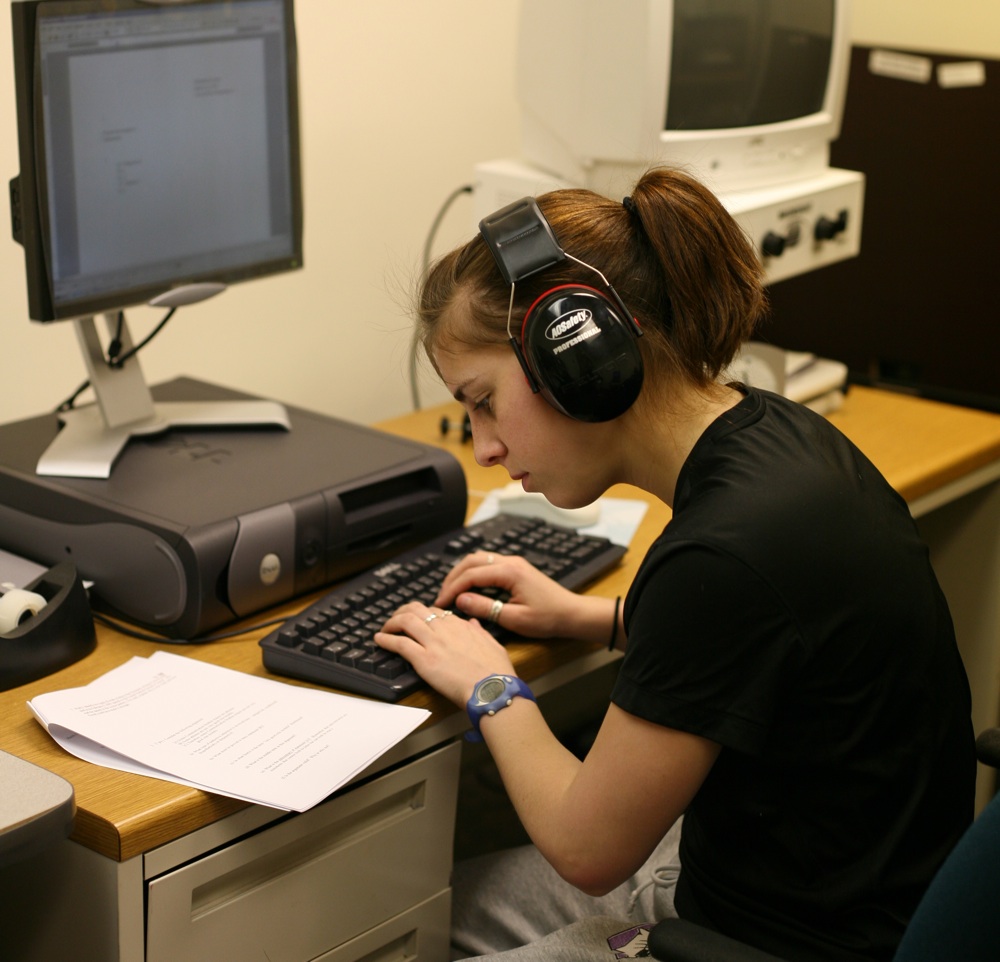
As students spend more of their time using technology, teachers are having to come up with new ways to keep the 21st Century student engaged in the classroom. Classblogmeister.com is getting middle school students excited about writing opinion blogs in place of class journals and furthering discussion. When students publish on their blog, they are writing to their classmates in an environment that encourages their peers to respond. This forum opens student discussion and takes the pressure away that writing only for the teacher as audience and to receive a grade can create.  There are many ways in which teachers can facilitate and students can participate. This interactive model is limitless when students are asked to come up with their own ways to teach themselves and others.
Updating the classroom for students is less about needing the most up-to-date technology and more about gearing the lesson toward the student’s individual passion. In the article, “Using music in the classroom to inspire creative expression,â€Â teacher Gaetan Pappalardo writes, “If ‘experts’ continue to bash the humanity out of teaching, how on Earth will teachers teach? The dead honest truth is that inspiring people in the world, the best teachers out there really, are passionate about life.â€Â  A teacher can only have the opportunity to maximize student engagement if the student wants to invest in the lesson. This is why it is important to use multiple forms of student-led exercises to get the most students involved as possible. Implementing activities like having students write their own quizzes or lead their own Socratic Seminar, give them freedom and control in an environment that might not always be conducive to their individual learning style.  Involving students early so that they participate in their own learning as well as the teaching of others will motivate them and prepare them to work well in the world outside of class once they graduate.
References:
Using Music in the Classroom to Inspire Creative Expression
Middle School Students Sharing Opinions on their Blogs
Does professional development help teachers and students?

Carol’s Summary
It is popular belief that teacher quality needs to be enhanced in order to increase student success. In the last decade, many school districts have turned to professional development as a solution to fighting student problems. According to the article “Professional Development for Teachers at Crossroads,” data analysis and research conducted over the last ten years shows professional development isn’t making much of an impact on student scores or teacher morale.
But, is it any wonder that a top-down approach wouldn’t benefit those at the bottom? Advocates for professional development are focusing on how to change the teacher, not how to make the teacher more effective for the student. Instead of a top-down approach — whereby the superintendent goes to the latest conference and brings back his or her new teaching approach, forces it onto uninterested teachers who must then relay it to their uninterested students — reformers should be focusing on student problems to help train teachers to be more effective.
In last week’s blog, “Changing Education Paradigms,” we discussed how the archaic education system isn’t designed for today’s multitasking student. A similar problem arises with professional development. If the system is ineffective, then why are we still using it? If  we know student problems are changing, then why are we convinced that maybe this year the old paradigm will work?
Article: Professional Development for Teachers at Crossroads
Perhaps no other aspect of the teacher-quality system in the United States suffers an identity crisis as severe as that of professional development.
Read the full article at: edweek.org
“Changing Education Paradigms”

Carol’s Summary:
Are we boring students to death? Are we telling ourselves ADHD is the reason kids can’t learn or focus? What if the real reason is that the very thing that inspires kids to be excited about naturally in learning, is squelched with our educational methods and testing? Sir Ken Robinson, world-renowned education and creativity expert, holds public education was built, and continues to stand on two elements: economy and culture. For this structure to stay current, it would be required for school systems to change with the times. However, we are looking to change the future with the same inefficient tools used in the past.
We’re at a point where these two elements are unpredictable. We can’t anticipate what the economic future will be like for the next generation, and cultures are trying to hold on to their identity while participating in globalization. In this unstable time, it’s no wonder it’s so hard to let go of our familiar systems. But look to the students to see no matter how comfortable the archaic ways are to older generations, today’s student needs a new learning environment and more stimulation in the classroom. Today, students get stimulation from more sources, during more of their day than ever before. Robinson’s theory is the ADHD epidemic in America is fictitious. He points to a student’s shorter attention span as being a result of being bored in the classroom not a result of a disorder.
Daniel Pink, author of A Whole New Mind and Drive, argues the most desirable qualities in workers of the future will be empathy, storytelling, play and inventiveness. If we are telling our children to conform to the production-line mentality of today’s school system, we aren’t preparing our children for a future in the evolving world of work.  What can we do to shift our teaching and learning paradigms to ignite true student power, motivation and purpose?
Watch an animated video of Sir Ken Robinson’s speech at: http://bit.ly/9qpM35
Volunteers help school district mentor students
 Carol’s Summary:
In Philadelphia, students are receiving a helping hand from volunteer groups who aim to provide academic, social, and emotional guidance in schools with low resources. These mentors are available around the clock and offer the support students need but don’t always get in the public school system. One high school principal said, “We don’t have the resources to get to all the children. That’s why they fall behind. [The volunteers] let them know that they are cared for.”
This year, the district approved more than $2 million for three of the country’s largest volunteer organizations to mentor students in 57 schools. Volunteers range on a wide scale. Charles Corley, a member of Education Works corp, knows he was lucky he had a support group that pushed him to succeed. Now, at the age of 21, he mentors students to give them a chance just like he was given. Felicia Cooper is from West Philly and is a graduate from Lehigh University. She mentors students from her neighborhood to show them they can all get to college if they work hard. Â Then there are parents who want to give back to their child’s school by volunteering their time. Students need support systems to succeed. It is admirable that young graduates and proud parents realize the help they had, or didn’t have, and work to support younger students so they too can achieve their biggest dreams.
Article: They help because they can
PRINCETON UNIVERSITY grad Jerry Nnannabu said he’s determined to instill a love for math and science into the group of ninth-graders whom he mentors at Overbrook High School.
Read the full article at: philly.com
Blending Computers in the Classroom

Carol’s Summary:
New York City and several other school districts around the country are analyzing how to integrate technology to serve a variety of students in K-12.  They are also looking at the ways in which teachers roles will change as technology becomes a bigger part of the teacher and learning mix.
The key to technology in the future is flexibility. Glencoe is launching a Get Ready for College program this spring which can be used independently by students or in conjunction with a counselor or a teacher.  Many of the nations home-schooled students will have a chance to be exposed to the same concepts they might encounter in a typical high school. Others who might have learning issues, can go at a slower pace while those who need to be more challenged can have a more rigorous experience.  Technology and teaching cooperatively will be the key to each child’s success in the future. The flexibility of content providers and the teachers themselves will be the determining factors in the educational, career and life success of the next wave of students.
Article: Blending Computers Into Classrooms
At P.S. 100 in the Bronx, fourth-graders look intently at their laptop computers, watching a cartoon character wearing big sneakers explain prime factors. Wearing headphones, the students listen to and see the multiple-choice questions on their screens and tap in their answers.
Suddenly, an instant message from their teacher pops up: “5 more minutes and then we’ll review.”
Read the full article at: wsj.com